Surfing's New Geography
For most of surfing's history, geography was everything.
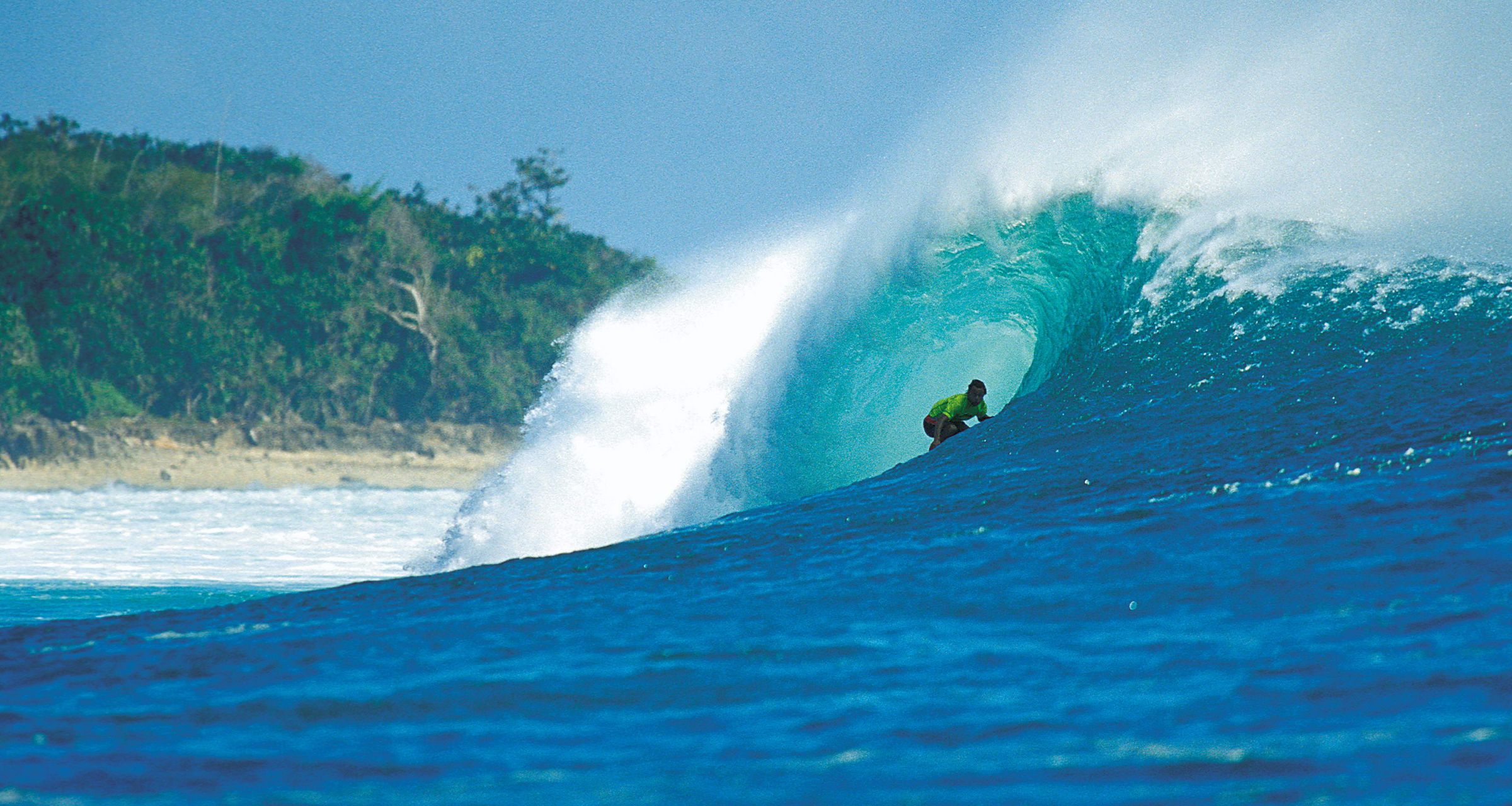
If you lived near good waves, you surfed. If you didn't, you dreamed about surfing.
Competitive surfing followed the same pattern. The world's best surfers emerged from coastlines blessed with quality waves, strong local scenes, and access to competition. Talent mattered, of course, but location mattered too.
Then wavepools arrived.
At first, they felt like curiosities. Expensive engineering projects that produced perfect waves and sparked endless debate about whether they belonged within surfing at all.
That debate has largely disappeared.
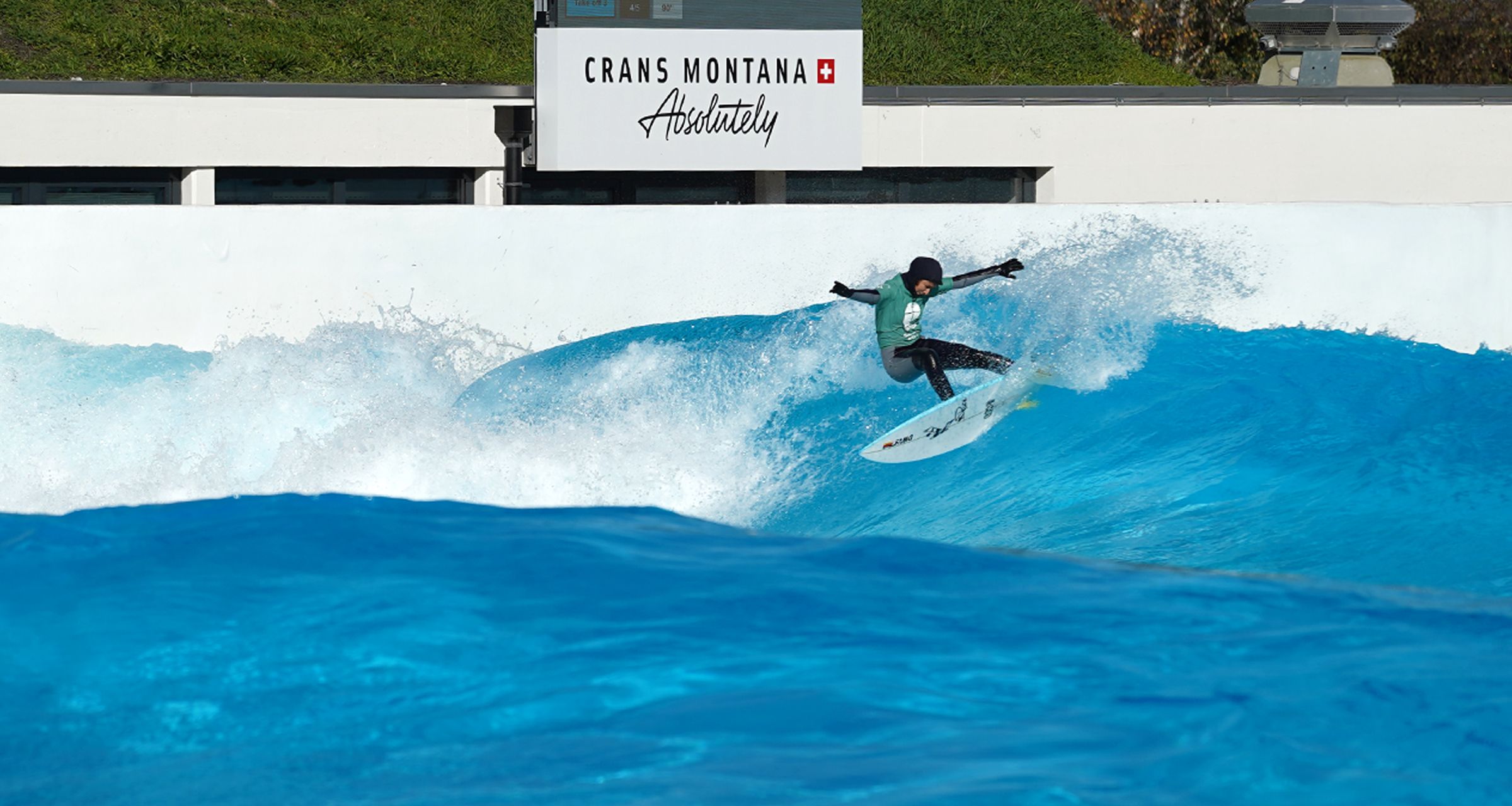
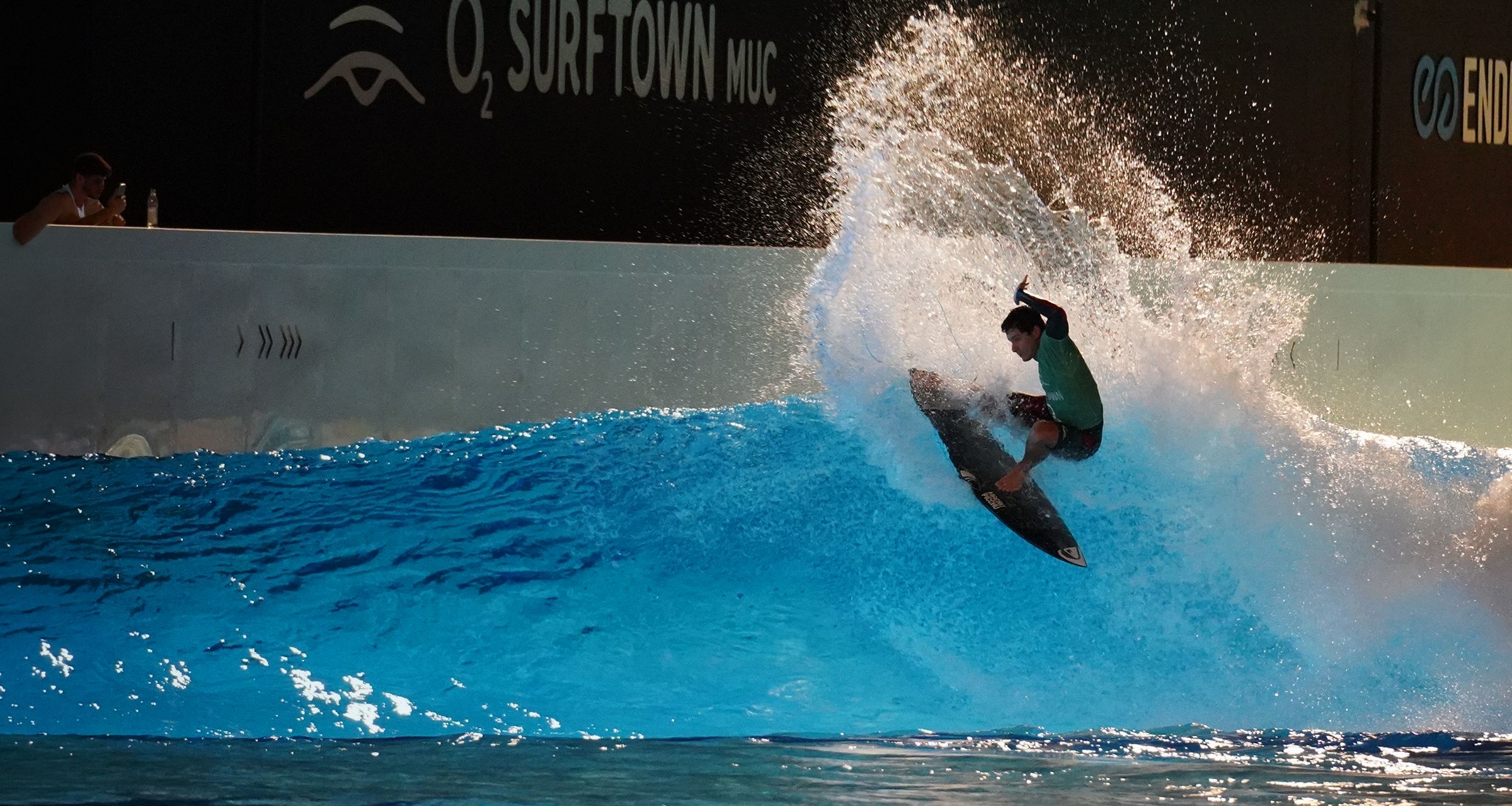
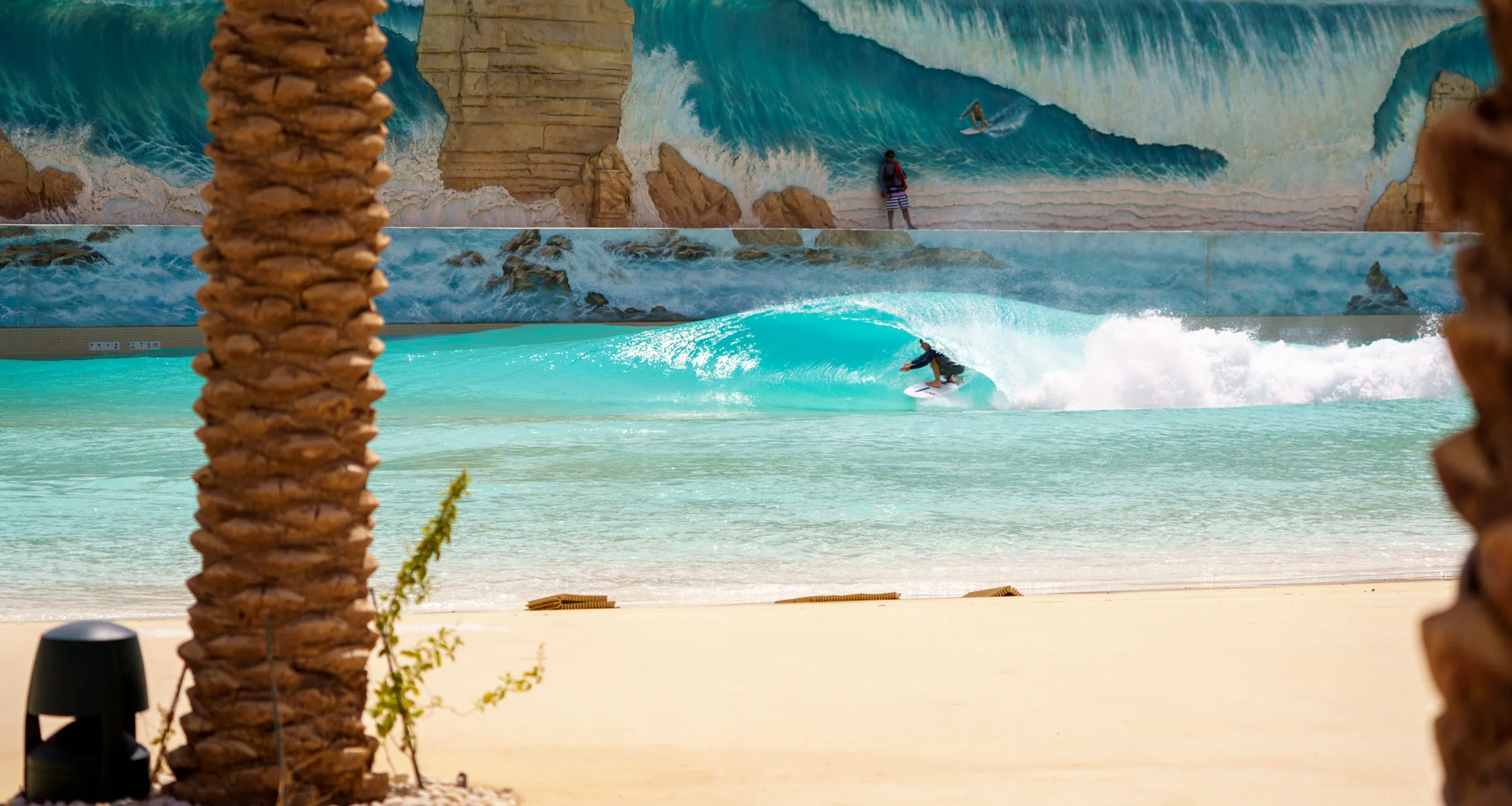
Today, wavepools are producing highly skilled surfers, hosting major events and creating surf communities in places that would never previously have appeared on the surfing map. Switzerland has surfers. Germany has surfers. The Middle East has surfers. Inland cities thousands of kilometres from the ocean now have thriving surfing communities built around wavepools.
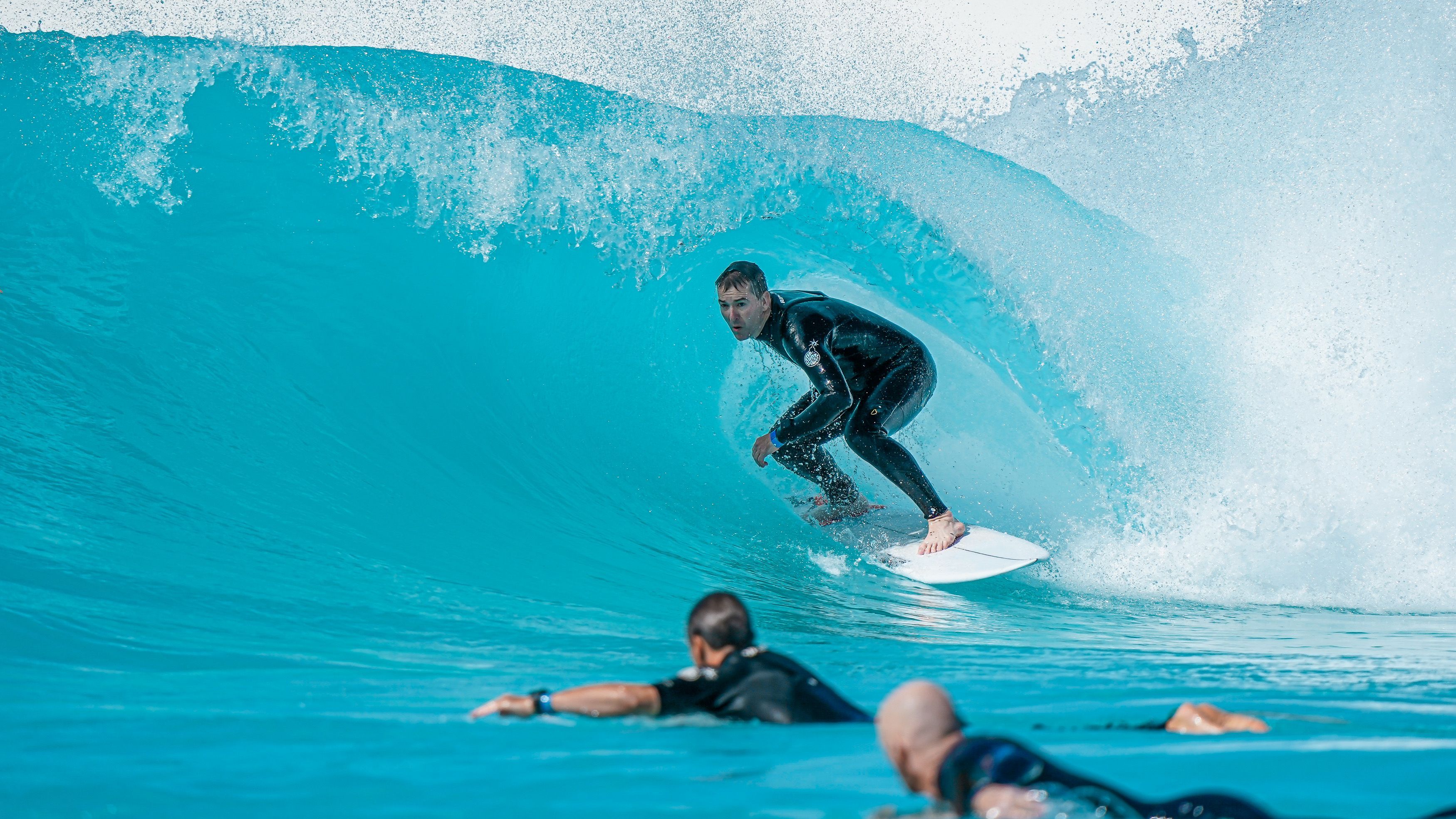
Surfing's geography has changed.
The interesting part is that wavepools are not replacing traditional surfing. Nobody is walking away from the ocean. Instead, wavepools have created a new layer within the sport, opening surfing to people who may never have had easy access to quality waves or established competitive pathways.
As new facilities continue to open around the world, those communities are becoming increasingly connected.
The launch of the Wavepool Surf Tour reflects that shift.
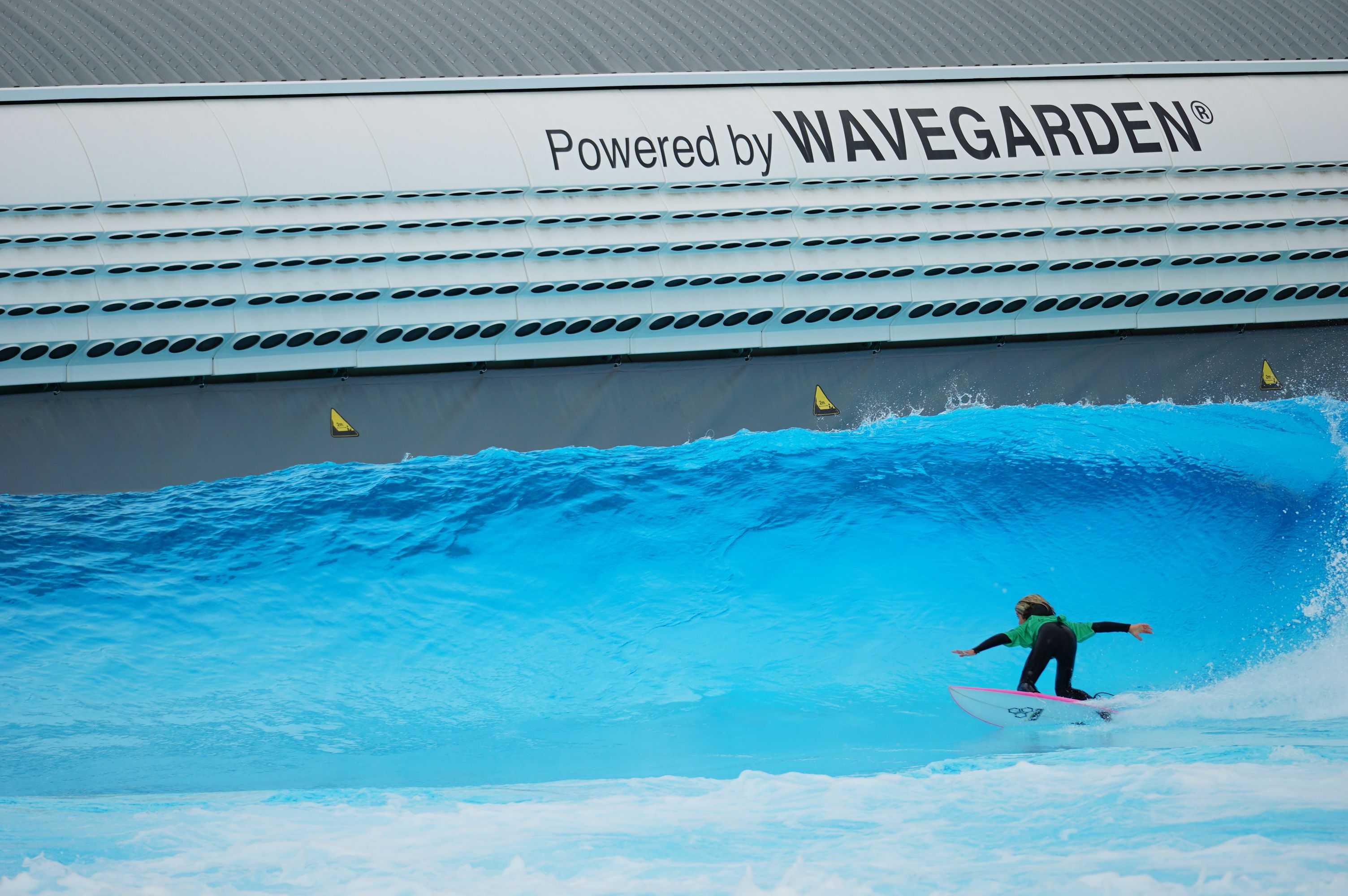
The new platform has been created to connect surfers through a global competition structure built specifically for wavepool surfing. Rather than focusing on where surfers live, it focuses on participation and performance.
"Wavepool surfing is no longer a niche part of the sport," said Wavepool Surf Tour founder Mark Fessler.
"There are now thriving surf communities connected to wavepools all over the world."
That growth is one of the reasons why the concept has arrived at the right time.
Wavepool operators, surfers and industry stakeholders have watched the sector expand rapidly over the past decade. What began as a handful of pioneering facilities has become a worldwide network of destinations introducing new people to surfing every day.
Importantly, the growth is not limited to elite athletes.
Families surf wavepools. Beginners surf wavepools. Former competitive surfers surf wavepools. Surfers who only get to the ocean a few times a year surf wavepools. The appeal lies in accessibility, consistency and the ability to surf quality waves almost anywhere.
For many participants, the attraction is also that of community.
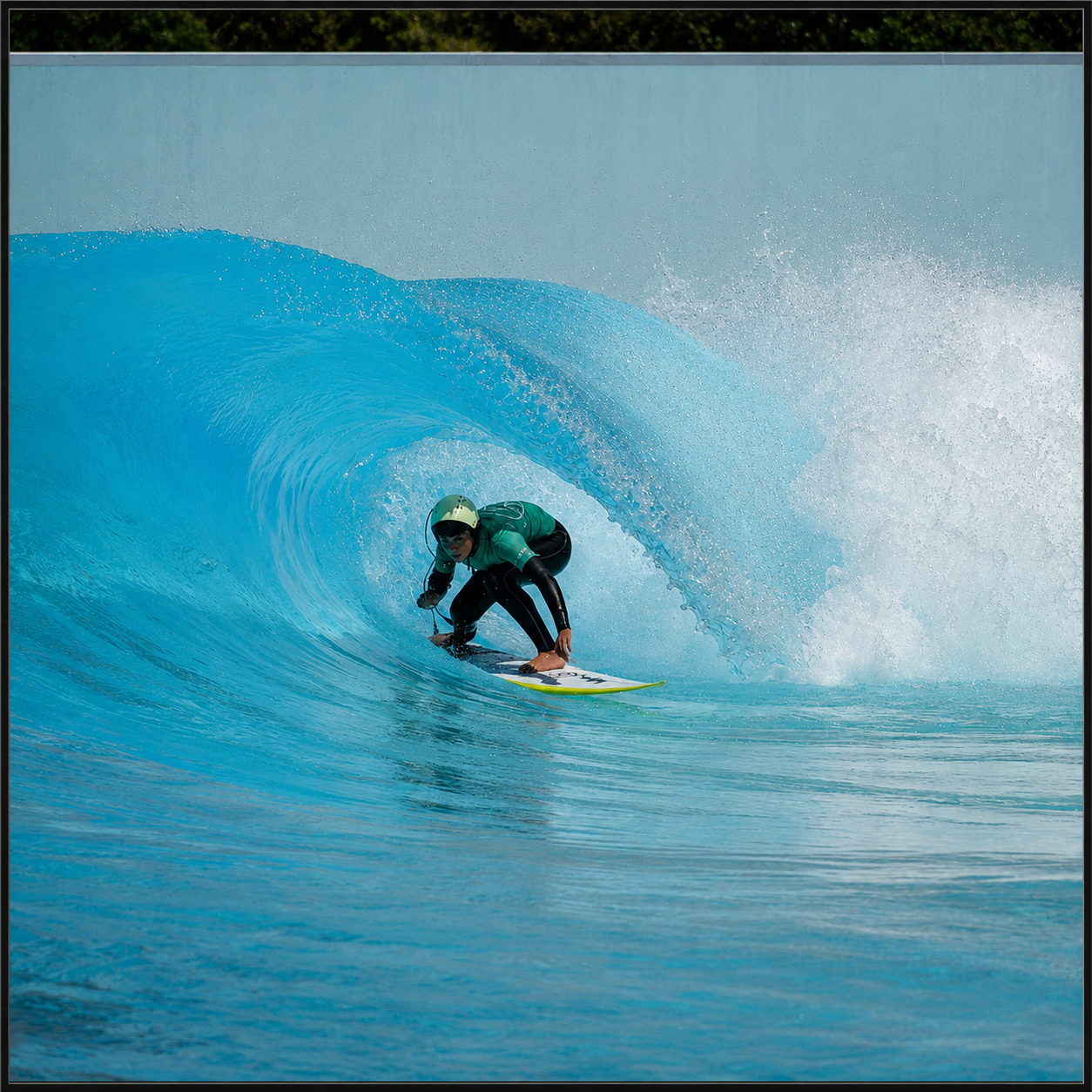
Every successful wavepool develops its own culture. Local surfers form friendships, rivalries, and routines. They support each other, share waves, and spend time together much like surfers have always done at beaches and point breaks around the world.
The difference is that these communities are now appearing far beyond traditional surfing regions.
The Wavepool Surf Tour aims to provide a platform that reflects that reality.
Whether wavepool surfing ultimately develops into its own distinct discipline or remains part of the broader surfing landscape is a debate for another day. What is already clear is that wavepools have become an important part of modern surfing, and their influence continues to grow.
For surfers interested in becoming part of the movement, more information, event details, and registration opportunities are available at www.wavepoolsurftour.com.
Surf. Submit. Compete.
Go to https://www.wavepoolsurftour.com/ to register and to find out more.